

The End of an Era: Utah State University Eastern Theatre Program Cut Amid State Budget Mandate
- Anthony Cimino-Johnson
- Nov 24, 2025
- 5 min read

In April 2025, an 86-year legacy came to an abrupt end. Utah State University Eastern's theatre program, a cornerstone of arts education since 1939, became the first academic casualty of sweeping state budget cuts mandated by HB265. This isn't just another budget line item, it's a wake-up call for everyone who believes in the transformative power of theatre education.
As someone who's spent decades witnessing how theatre shapes lives and careers, this story hits differently. It's not just about one program disappearing; it's about what happens when we treat the arts as expendable in our educational system.
The Numbers That Tell a Devastating Story
Utah's legislature mandated $60.5 million in cuts across all public universities, with Utah State University bearing a $12.6 million reduction, one of the heaviest hits statewide. The directive was clear: eliminate programs based on enrollment numbers, graduation rates, and wage outcomes. Theatre, predictably, didn't make the cut.

But here's what those spreadsheets don't capture: the immeasurable value of a program that spent 86 years nurturing creativity, building confidence, and teaching skills that transcend any single career path. Every theatre educator knows this frustrating reality, we're asked to justify our existence with metrics that can't measure what we actually do.
When "Efficiency" Becomes Destruction
The state's rationale focused on redirecting resources toward "high-demand workforce areas" like engineering. While nobody argues against training engineers, the binary thinking here reveals a dangerous blind spot. Theatre doesn't compete with engineering, it complements it. The creativity, collaboration, and communication skills developed in theatre programs are exactly what every industry desperately needs.
"Theatre programs teach skills that are essential in every workplace," explains Dr. Sarah Martinez, a theatre educator who's watched similar cuts devastate programs nationwide. "Public speaking, creative problem-solving, working under pressure, adapting to unexpected challenges, these aren't just theatre skills. They're life skills."
The elimination wasn't immediate, USU implemented a teach-out period allowing current students to complete their degrees over one to two years. While this prevented outright abandonment of enrolled students, it created a heartbreaking countdown for a program that had shaped countless lives over eight decades.
The Ripple Effects Begin
The loss extends far beyond the roughly 250 students affected across USU's 36 eliminated programs. Rural communities like Price, Utah, lose access to live theatre and arts education opportunities that big cities take for granted. High school students in the region now face a gap in their pathway to arts careers. Local theatre companies lose a crucial pipeline of trained performers and technicians.
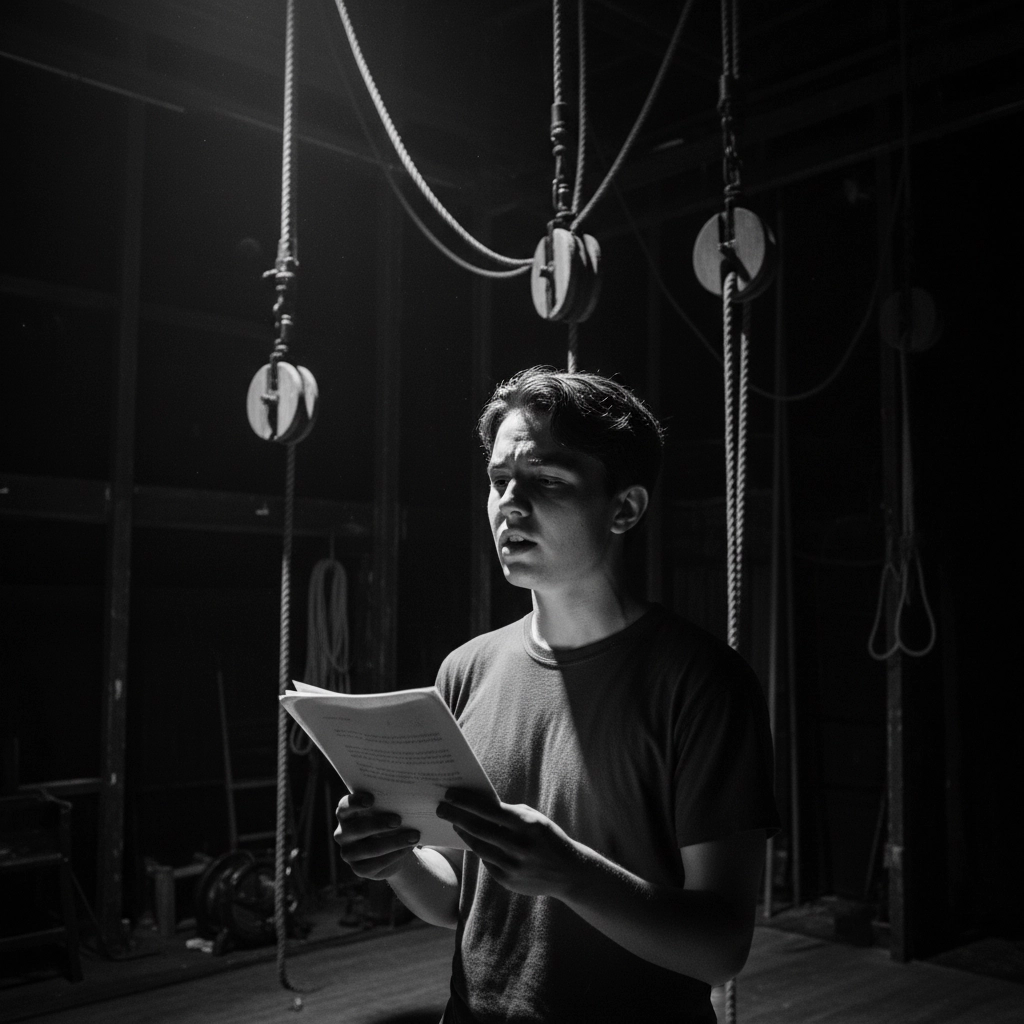
More troubling is the message this sends to current theatre educators and students everywhere. When programs with 86-year legacies can disappear overnight, how do we maintain hope and commitment in this field? How do we encourage students to pursue their passion when institutional support feels increasingly precarious?
The Broader Battle for Arts Education Survival
Utah State Eastern's theatre program isn't an isolated casualty, it's part of a nationwide trend that should alarm anyone invested in comprehensive education. Across the country, arts programs face the axe whenever budgets tighten, treated as luxury add-ons rather than educational necessities.
This pattern reveals a fundamental misunderstanding of what theatre education actually provides. Yes, it trains performers. But more importantly, it develops citizens who can think creatively, communicate effectively, and work collaboratively. In an increasingly automated world, these uniquely human skills become more valuable, not less.
The irony is stark: at a time when employers consistently cite communication and creativity as top hiring priorities, we're eliminating the very programs that develop these capabilities most effectively.
What This Means for Theatre Educators
For theatre educators watching this unfold, the Utah State story offers both warning and opportunity. The warning is clear: we can't assume institutional support will continue indefinitely. Programs that seem secure today can vanish tomorrow if we don't actively advocate for their value.

The opportunity lies in using stories like this to galvanize action. Every time we see a program eliminated, it should remind us to strengthen our advocacy, document our impact, and build broader coalitions of support.
"We have to stop being defensive about what we do," says Marcus Thompson, a high school theatre teacher who's successfully fought budget cuts in three different districts. "Instead of apologizing for taking up space, we need to boldly articulate why we're essential."
Building Resilience in Uncertain Times
The Utah State elimination also highlights the importance of program diversification and community partnerships. Programmes that survive budget cuts often do so because they've built multiple revenue streams, strong alumni networks, and deep community connections that make them harder to eliminate.
Theatre educators can learn from this by actively cultivating relationships beyond their immediate institutions. Partner with local businesses to demonstrate workforce development impact. Engage alumni who can testify to their program's career value. Document and share success stories that go beyond traditional theatre careers.
The Innovation Imperative
Perhaps most importantly, the Utah State story challenges us to innovate while preserving core values. The programs that thrive in this environment will be those that adapt their delivery methods, embrace technology, and find new ways to demonstrate relevance without compromising their educational mission.

This doesn't mean abandoning traditional theatre training: it means expanding how we think about its applications. Theatre skills apply to corporate training, healthcare communication, educational technology, and countless other fields that bureaucrats might consider more "practical."
Turning Loss Into Advocacy
The end of Utah State Eastern's theatre program should serve as a rallying cry, not a defeat. Every theatre educator, student, and supporter needs to take this story and use it to strengthen advocacy efforts in their own communities.
Start documenting impact now. Collect student success stories. Track career outcomes broadly, not just traditional theatre careers. Build relationships with business leaders who can speak to the value of theatre-trained employees. Make your case before the crisis hits.
The Fight Continues
While we mourn the loss of an 86-year legacy at Utah State Eastern, we can't let that grief paralyze us. The fight for theatre education continues in classrooms, school board meetings, and state legislatures across the country.
Every surviving program represents a victory. Every student whose life gets transformed through theatre justifies our existence. Every graduate who carries theatre skills into their career proves our worth.

The Utah State story ends one chapter but doesn't close the book. Theatre education has survived countless challenges over the past century, and it will survive this one too: but only if we refuse to accept elimination as inevitable and fight for our programs with the same passion we bring to our teaching.
The curtain fell on one program, but the show must go on everywhere else. Let Utah State Eastern's loss fuel your determination to ensure your program's survival and success.
Comments